


Tech Tank 2025
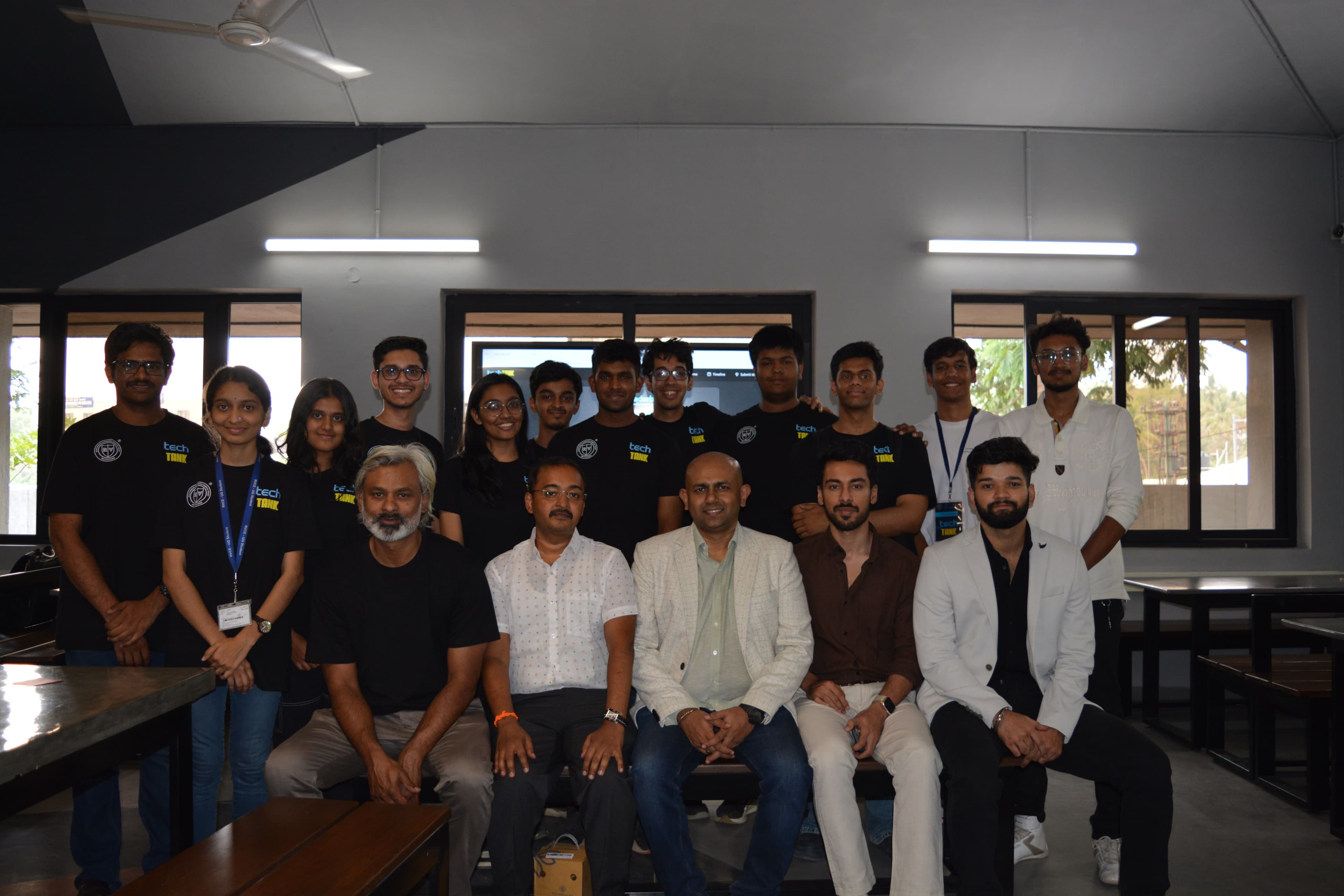
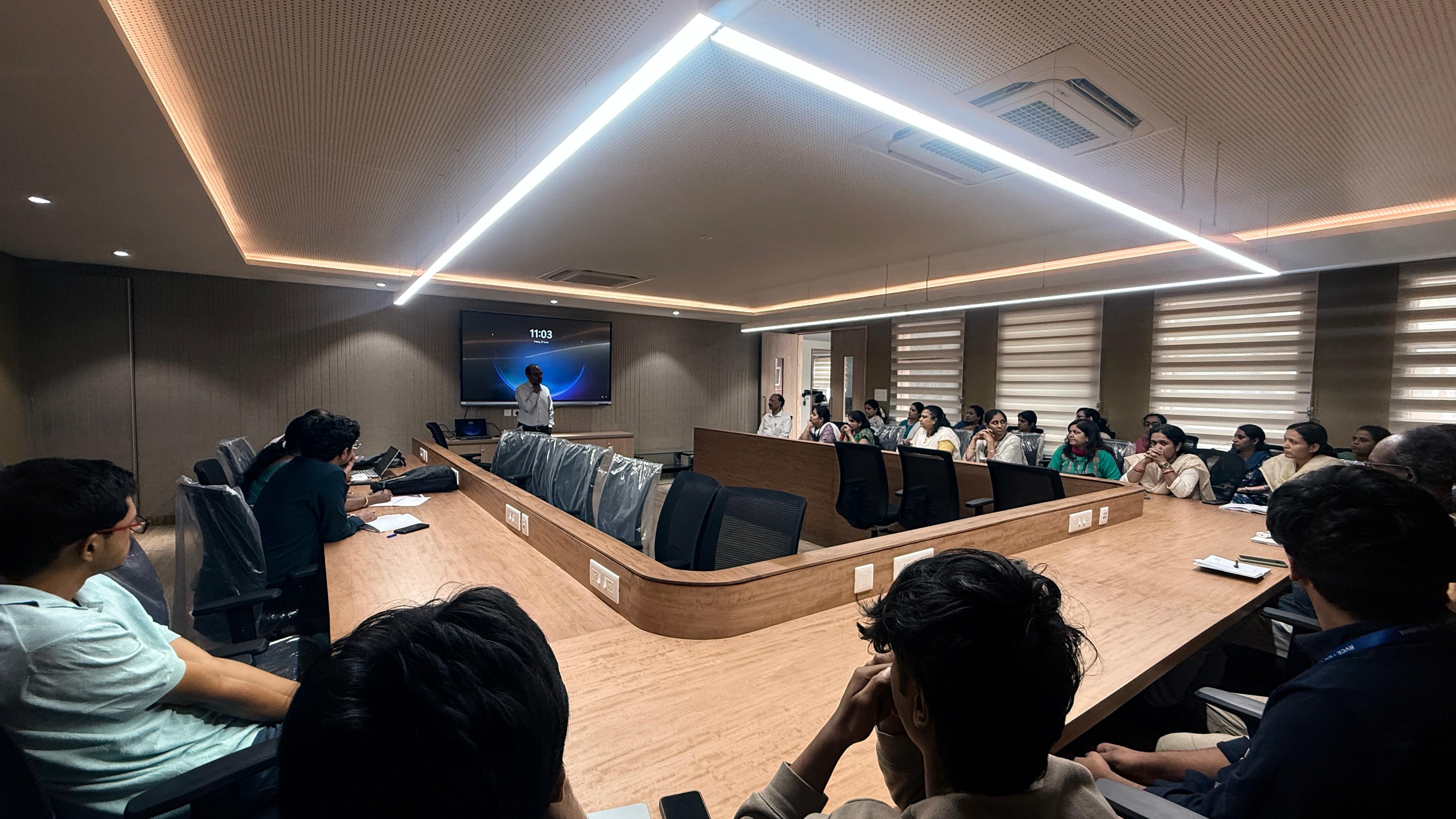
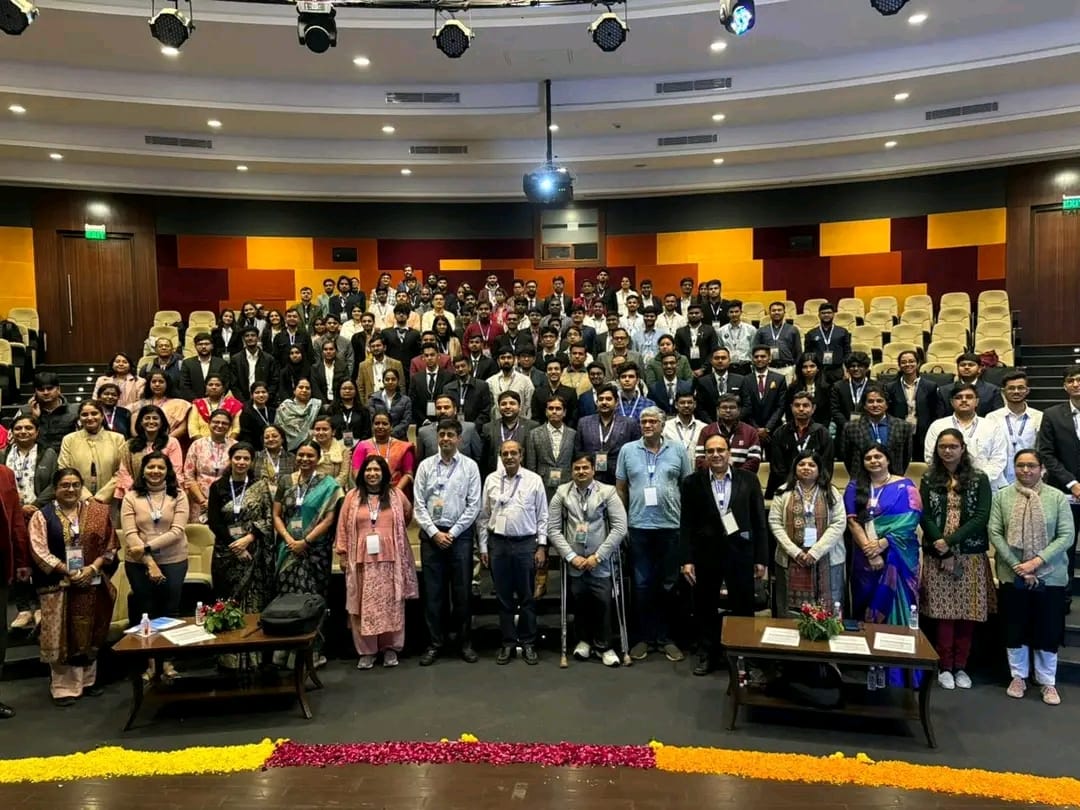
On the 11th and 12th of April 2025, the Computer Science Block of RV College of Engineering witnessed an electrifying collision of code and commerce. Tech Tank, a 12-hour Shark Tank–inspired hackathon, brought together over 100 developers, designers, and innovators under one roof — all fueled by one goal: build something real and pitch it like a product.
The event was hosted by ACM RVCE in collaboration with Google Developer Group (GDG) RVCE, with support from mentors, alumni, and guest judges who brought industry perspective to the table.
The Format — Not Just Code, But Clarity
Unlike traditional hackathons that focus purely on technical execution, Tech Tank asked participants to build and sell. The event focused on:
- Real-world problem solving
- Viable business models
- Well-structured pitches to a panel of judges
Teams had just 12 hours to ideate, prototype, validate, and present their product to a jury — just like on the real Shark Tank.
Pre-Hack Workshop — Gearing Up for the Pitch
On 7th April 2025, a Pre-Hack Workshop was organized to prepare participants for the dual demands of Tech Tank:
- How to structure a product pitch
- What makes a hack valuable to users
- Basics of lean canvas and storytelling
The session was led by senior ACM mentors and alumni product managers from the tech industry.
Day of the Hack — Innovation Under Pressure
Teams arrived early on April 11th and were briefed on the challenge statements. Tracks included:
- Sustainability and environment
- Fintech and inclusion
- Education and skilling
- Productivity and tools
- Developer utilities
From AI-powered resume graders to real-time traffic monitoring systems, students went beyond the code editor to validate ideas, design user journeys, and prepare demo-ready prototypes.
The Jury Room — Pitch or Pass
At the end of 12 hours, the top teams presented their ideas to a panel of judges from tech companies, startups, and academia. Each pitch was evaluated on:
- Innovation
- Impact
- Feasibility
- Business thinking
- Technical execution
Some of the standout teams included:
- Team ByteBazaar: Built a voice-based invoice generator for rural shopkeepers
- Team IntelliStack: Created an AI-powered learning dashboard for teachers
- Team GreenRoute: Designed a sustainable delivery route optimizer using maps and traffic APIs
More Than Just Winners
While trophies were awarded, the real win was the exposure students got to product thinking, real-time teamwork, and industry mentorship. Several ideas received offers for further development support from GDG mentors and RVCE alumni in startups.
Participants also received:
- Swag from GDG and ACM
- Internship interest from partner startups
- Certification and portfolio-worthy projects
Conclusion
Tech Tank 2025 wasn’t just a hackathon — it was a simulation of real-world product innovation. It pushed students to step out of their comfort zones and ask not just “Can we build this?” but also “Should we?” and “How will this reach people?”
For ACM RVCE, this event marks a new benchmark in student-led innovation — one where code, creativity, and communication come together.
We’re excited to continue this format in future editions — bolder, broader, and bigger.