CODE CUP 2026
Introduction
On July 4–5, 2026, ACM RVCE Student Chapter successfully conducted Code Cup 2026 – A48-Hour Build Sprint, held online in association with RV College of Engineering.The event brought together student teams for an intensive, hands-on build experience aimed at strengthening their applied skills across Computer Vision & AI, Cybersecurity, and Data Analytics.
Overview
Code Cup 2026 was designed as a fast-paced, competitive build sprint that challenged teams to design, develop, and ship a working solution within a fixed 48-hour window.The competition provided participants with an opportunity to:
- Experience the structure and pace of a real hackathon build cycle.
- Solve domain-specific problem statements under strict time constraints.
- Gain hands-on exposure across three distinct technical tracks.
- Strengthen technical execution, collaboration, and rapid decision-making.
- Participants competed in teams of 2 to 4 members, with an entry ticket of ₹200 per team,across three parallel domains: Computer Vision & AI , Cybersecurity, Data Analytics.
This structure ensured participants could compete in the track that best matched their strengths while being exposed to a diverse hackathon experience.
Event Proceedings
On July 4, 2026, registrations closed and teams checked in online, where they were introduced to the track structure, rules, and evaluation criteria for the 48-hour sprint.
Shortly after, the event officially began with the release of problem statements across all three domains.
➤ Teams reviewed the problem statements and selected their approach based on their track.
➤ Organizers clarified the build format, submission requirements, and judging parameters.The 48-hour build window then opened, marking the start of active development.
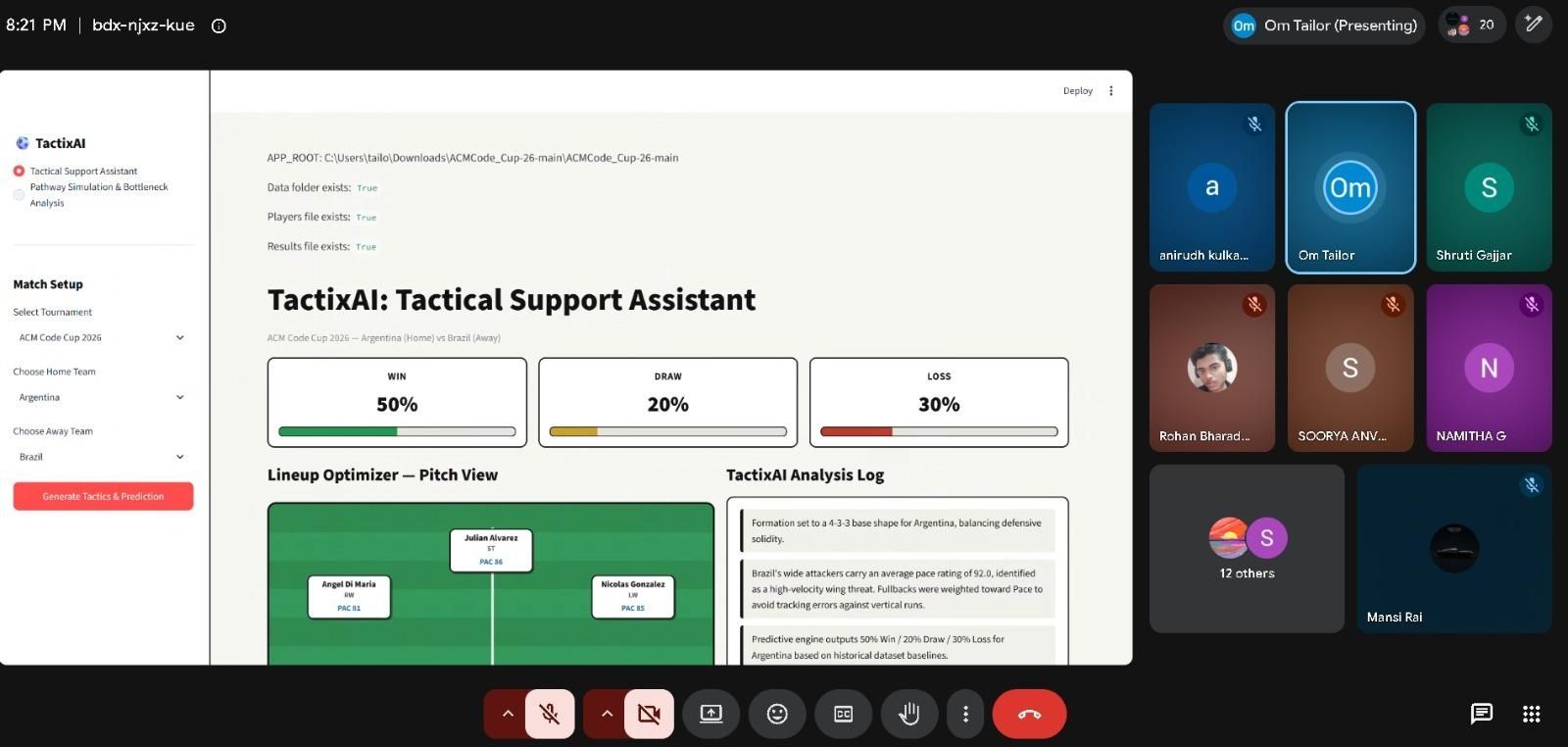
➤ Teams in the Computer Vision & AI track began building applied AI-driven solutions to their assigned problem statements.
➤ Teams in the Cybersecurity track worked through vulnerability analysis and defensive problem-solving challenges.
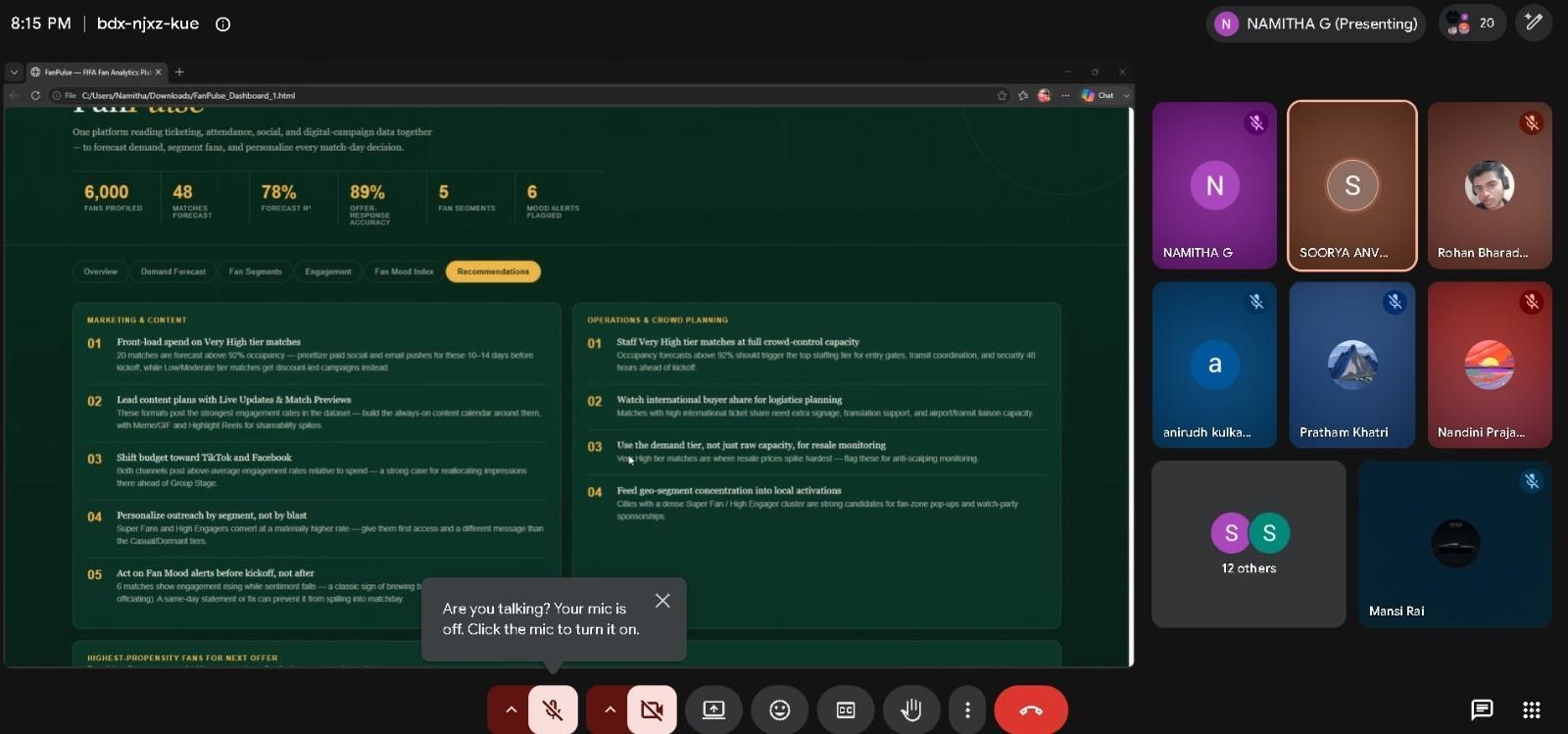
➤ Teams in the Data Analytics track built data-driven models and analytical pipelines to extract insights from their datasets.
Throughout the sprint:
➤ Coordinators remained available online to resolve participant queries in real time.
➤ Teams iterated on their builds, refining functionality and fixing issues under time pressure.
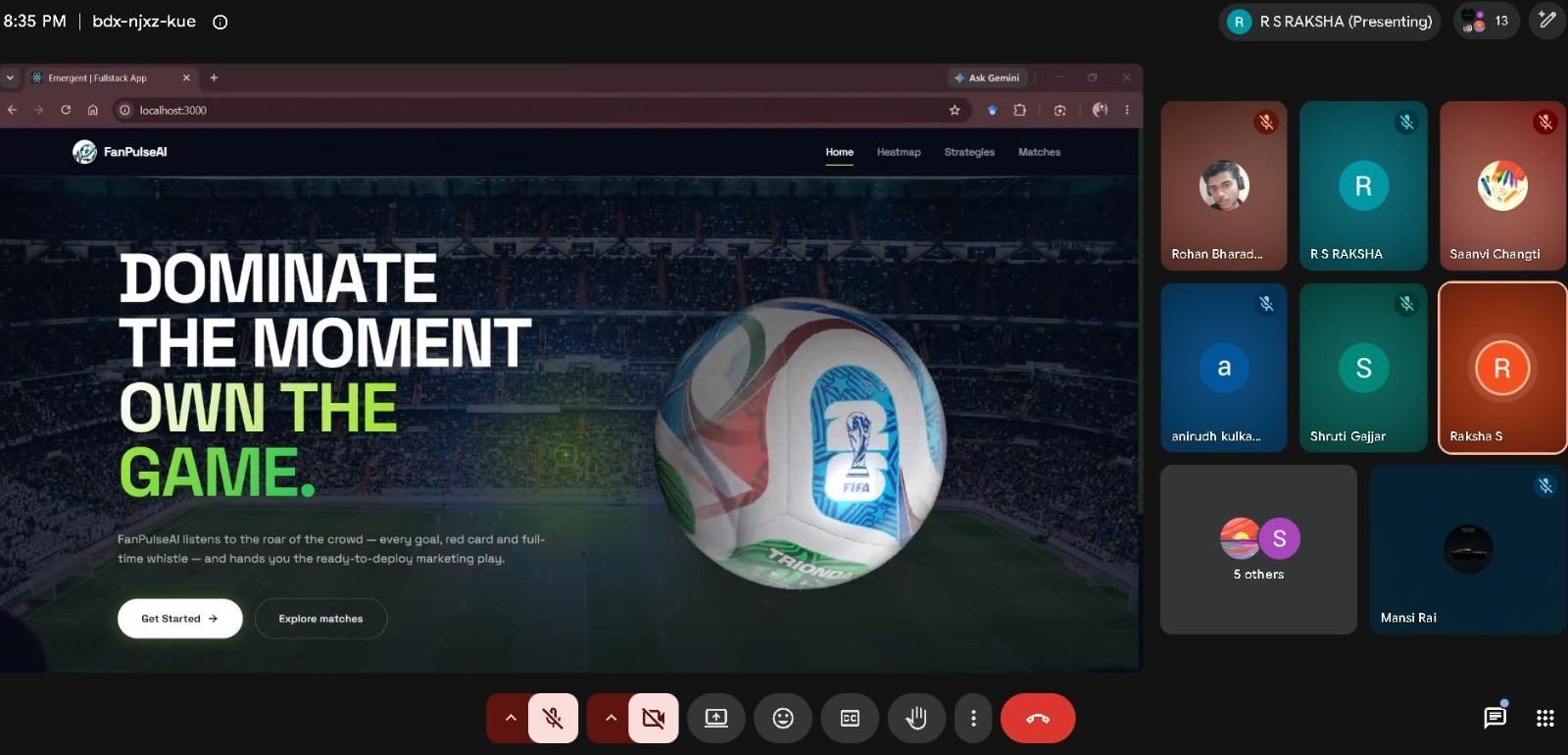
➤ Progress checkpoints kept teams focused as the 48-hour window advancedAs the sprint neared its close on July 5, 2026, teams finalized and submitted their projects for evaluation.
➤ Submissions were reviewed by the organizing team across all three domains.
➤ Evaluation was based on innovation, technical execution, and completeness of the final build Following evaluation, winners were announced and recognized for their outstanding performance, marking the conclusion of Code Cup 2026.
Event Highlights
Hands-On Learning Through Competition:
The 48-hour build sprint pushed participants to move from idea to working solution under realtime pressure, mirroring the pace and demands of an actual hackathon build cycle.
Competitive and Engaging Environment
The event featured:
● Three parallel technical tracks.
● A fixed, high-pressure 48-hour build window
● Real-time coordinator support
● Collaborative, team-based problem-solving
● This created a focused and high-energy environment across all three domains.
Enthusiastic Participation
The event witnessed participation from teams with diverse interests spanning AI, security, and data analytics.Participants demonstrated strong technical execution, adaptability, and the ability to deliver under tight deadlines.
Winners:
The sprint concluded with standout performances across all three tracks:
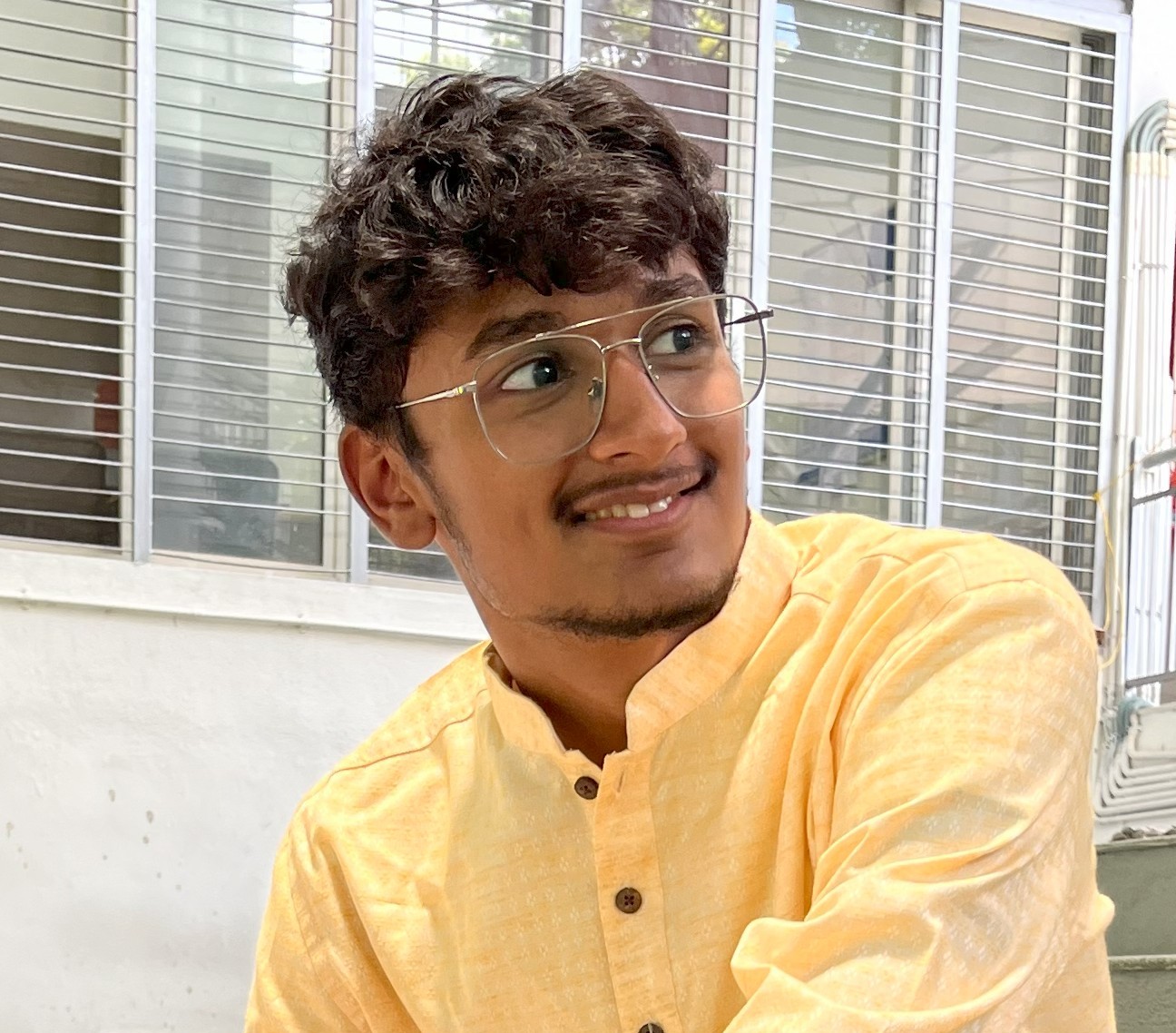
- Track 1 – Computer Vision & AI: Team Halo (Mannath Debnath)
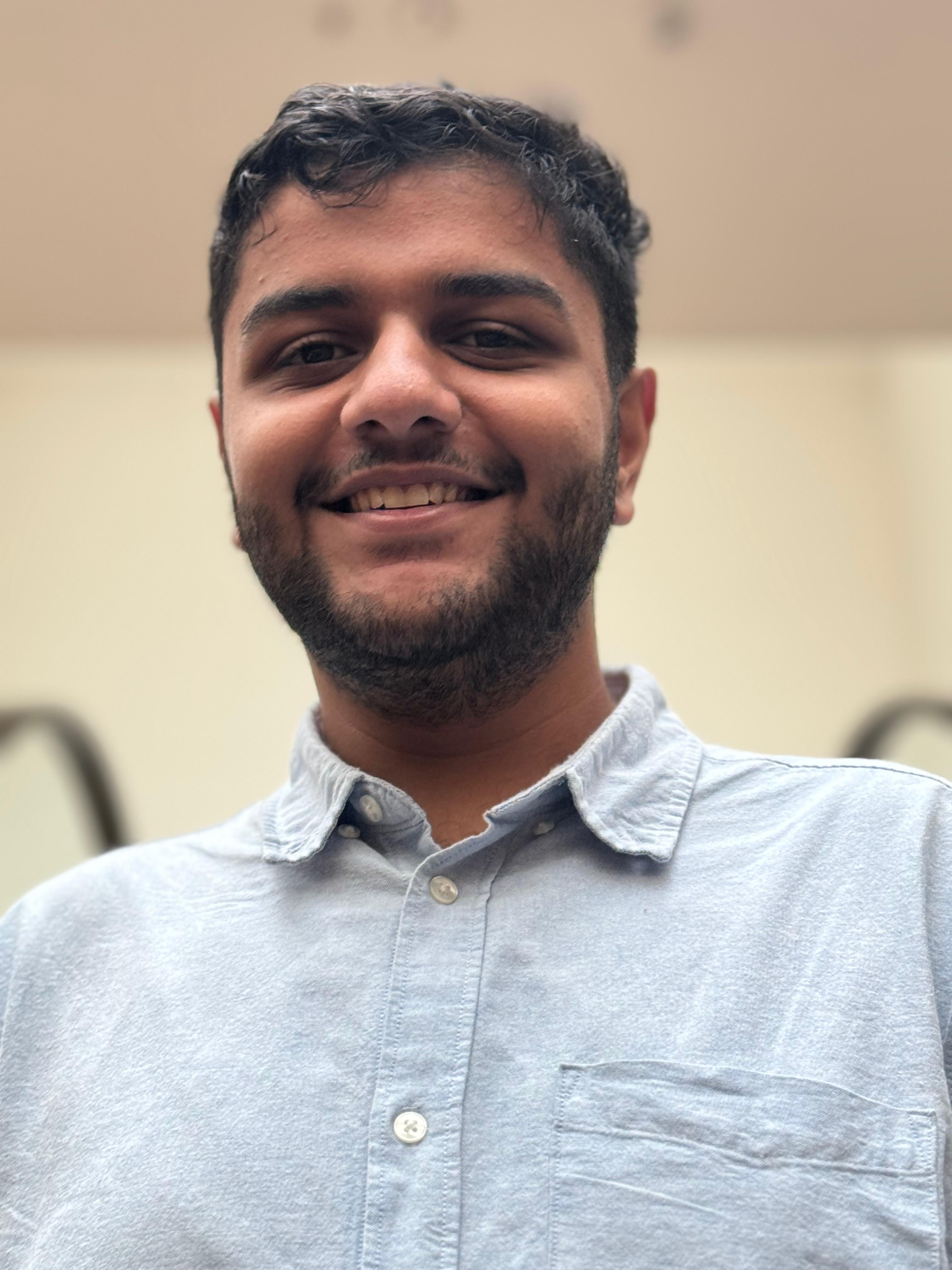
- Track 2 – Cybersecurity: Team Iwonttellyou (Karthik Revankar)
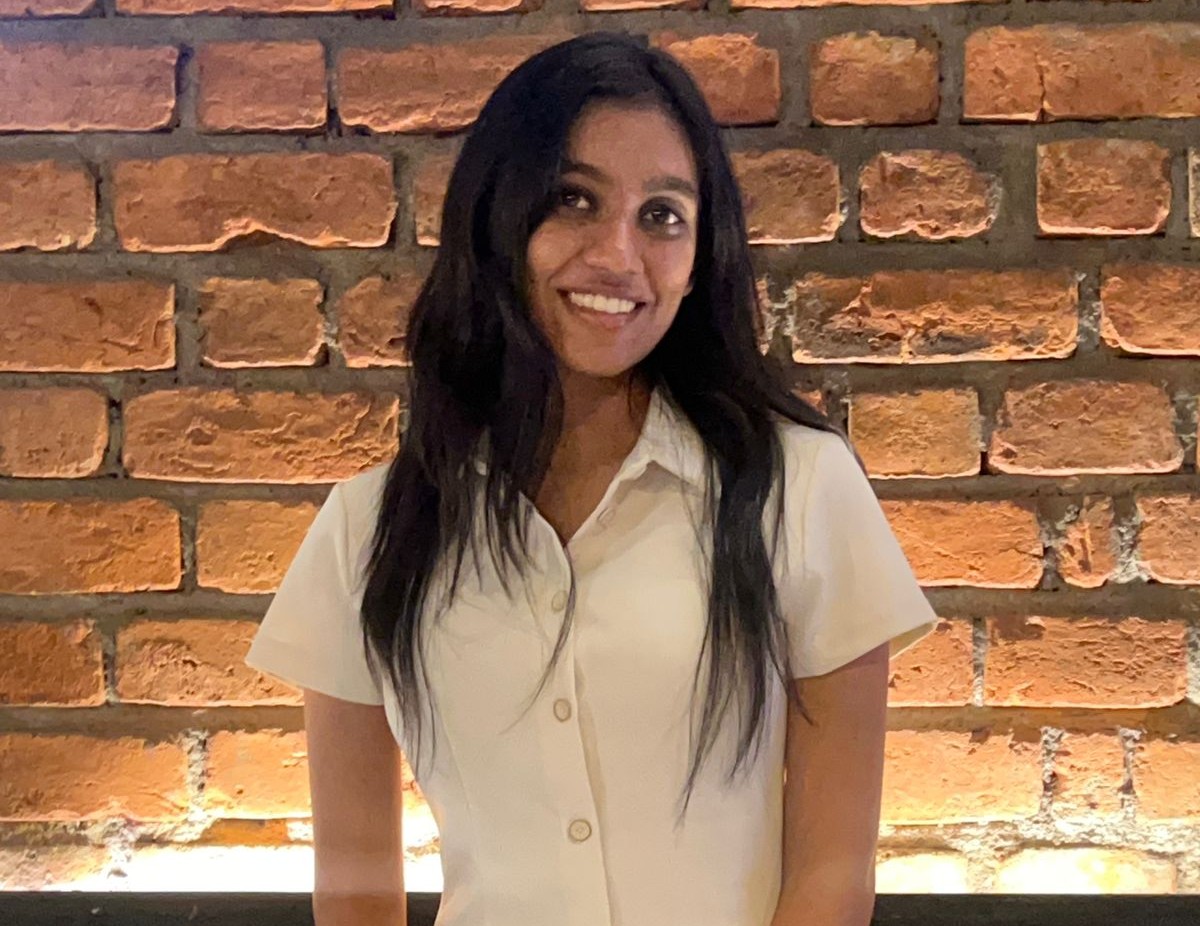
- Track 3 – Data Analytics: Team Girls Who Git It (Saanvi Changti)
Their success reflected strong technical depth, sound problem-solving, and the ability to deliver a complete, working build within the 48-hour window.
Conclusion
Code Cup 2026 successfully combined competition, rapid execution, and hands-on learning into a high-impact 48-hour build sprint.
Participants gained valuable exposure to real-world problem statements, applied tools, and domain-specific workflows across Computer Vision & AI, Cybersecurity, and Data Analytics. By organizing such intensive, hands-on technical events, ACM RVCE continues to foster a strong culture of innovation, technical excellence, and practical learning.
The event not only strengthened participants' applied technical skills but also encouraged deeper interest in AI, security, and data-driven problem-solving, making it a significant addition to ACM RVCE's technical initiatives.
Outcomes
● Successfully conducted a 48-hour, multi-domain build sprint spanning Computer Vision & AI, Cybersecurity, and Data Analytics.
● Enabled participation from teams of 2–4 members through an accessible, low-cost, fully online format.
● Established a structured evaluation process across three distinct technical tracks.
● Recognized track-wise winners: Team Halo (Computer Vision & AI), Karthik Revankar(Cybersecurity), and Girls Who Git It (Data Analytics).
● Strengthened participants' ability to execute and deliver under real time pressure.
● Reinforced ACM RVCE Student Chapter's role in organizing high-intensity, hands-on technical competitions.