

TECH TANK: PROTOTYPE TO PITCH
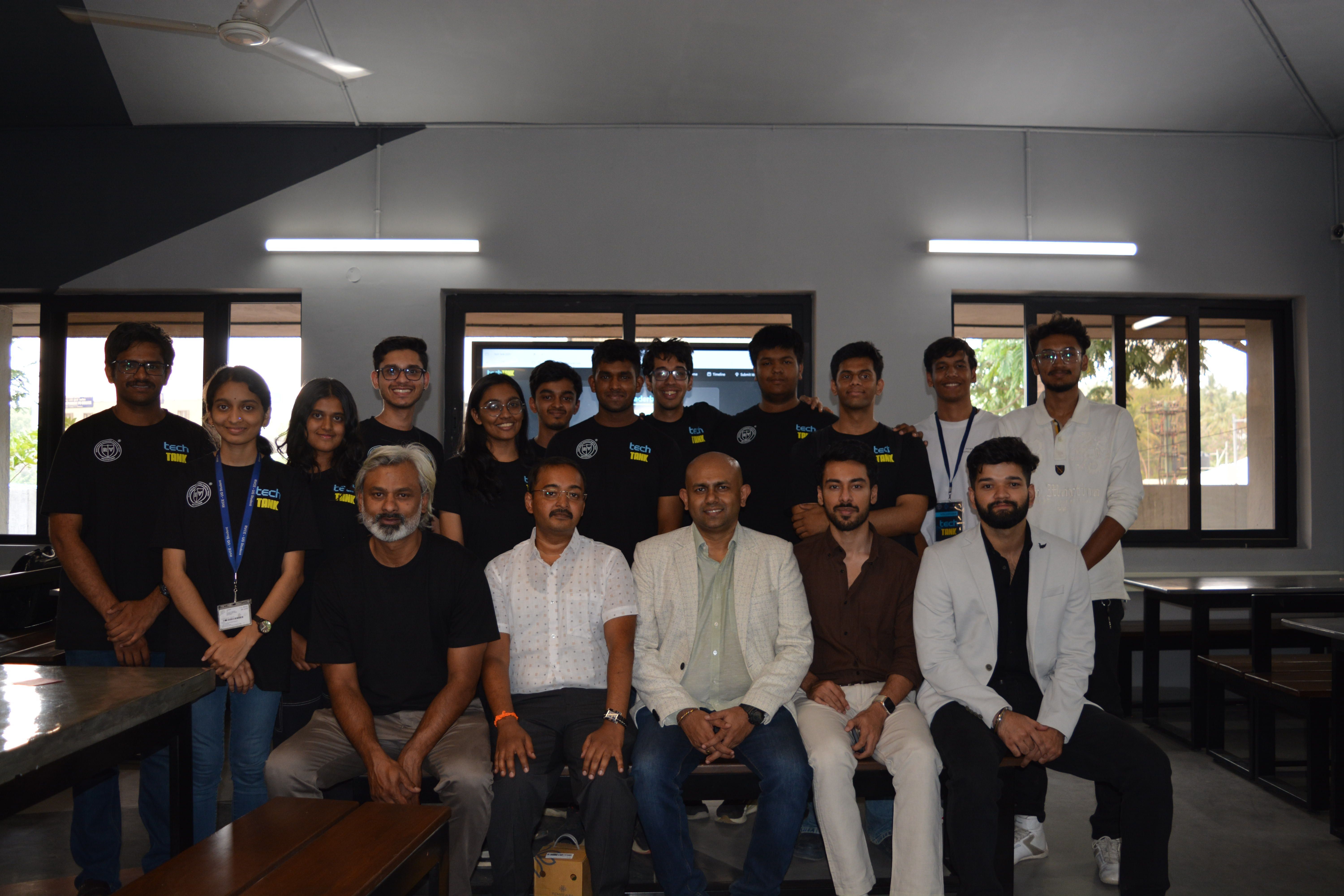
TechTank 2025, jointly organised by ACM RVCE and GDG RVCE at the RV College of Engineering campus in Bengaluru, stood out as a premier hackathon that redefined the traditional boundaries of student innovation. Designed as a high-intensity, Shark Tank–inspired experience, the event brought together some of the brightest minds to ideate, build, and pitch solutions that bridge technology with real-world impact.
Blending the rigor of a hackathon with the vision of a startup incubator, TechTank 2025 created an ecosystem where innovation was not just built — it was validated, refined, and presented with purpose.
Event Highlights
From Prototype to Pitch: A New Hackathon Paradigm
At the heart of TechTank 2025 was its unique “Prototype to Pitch” model — a format that challenged participants to go beyond writing code and think like founders.
Teams were tasked with:
- Identifying meaningful, real-world problems
- Building functional and scalable prototypes
- Crafting compelling pitches that reflected market viability
This hybrid structure transformed the hackathon into a simulation of real startup environments, pushing participants to integrate technical expertise with product thinking and business strategy.
Pre-Hack Preparation and Skill Building
In the lead-up to the hackathon, participants were engaged through preparatory sessions aimed at equipping them with the tools needed to succeed in such a dynamic environment.
These sessions focused on:
- Product design fundamentals
- Problem identification and validation
- Effective pitching and storytelling
By setting this foundation, TechTank ensured that participants approached the competition with clarity, confidence, and direction.
High-Intensity Development and Collaboration
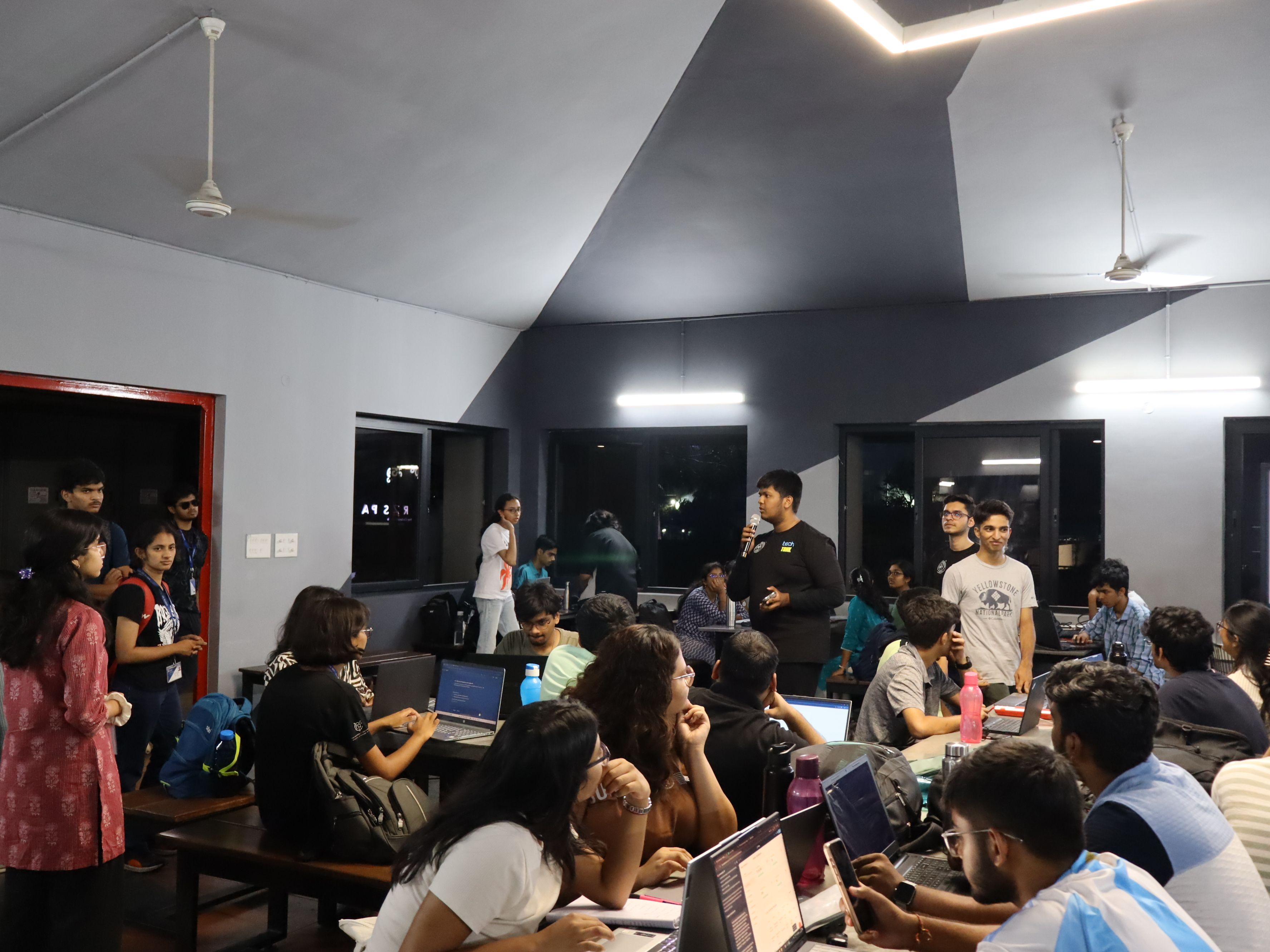
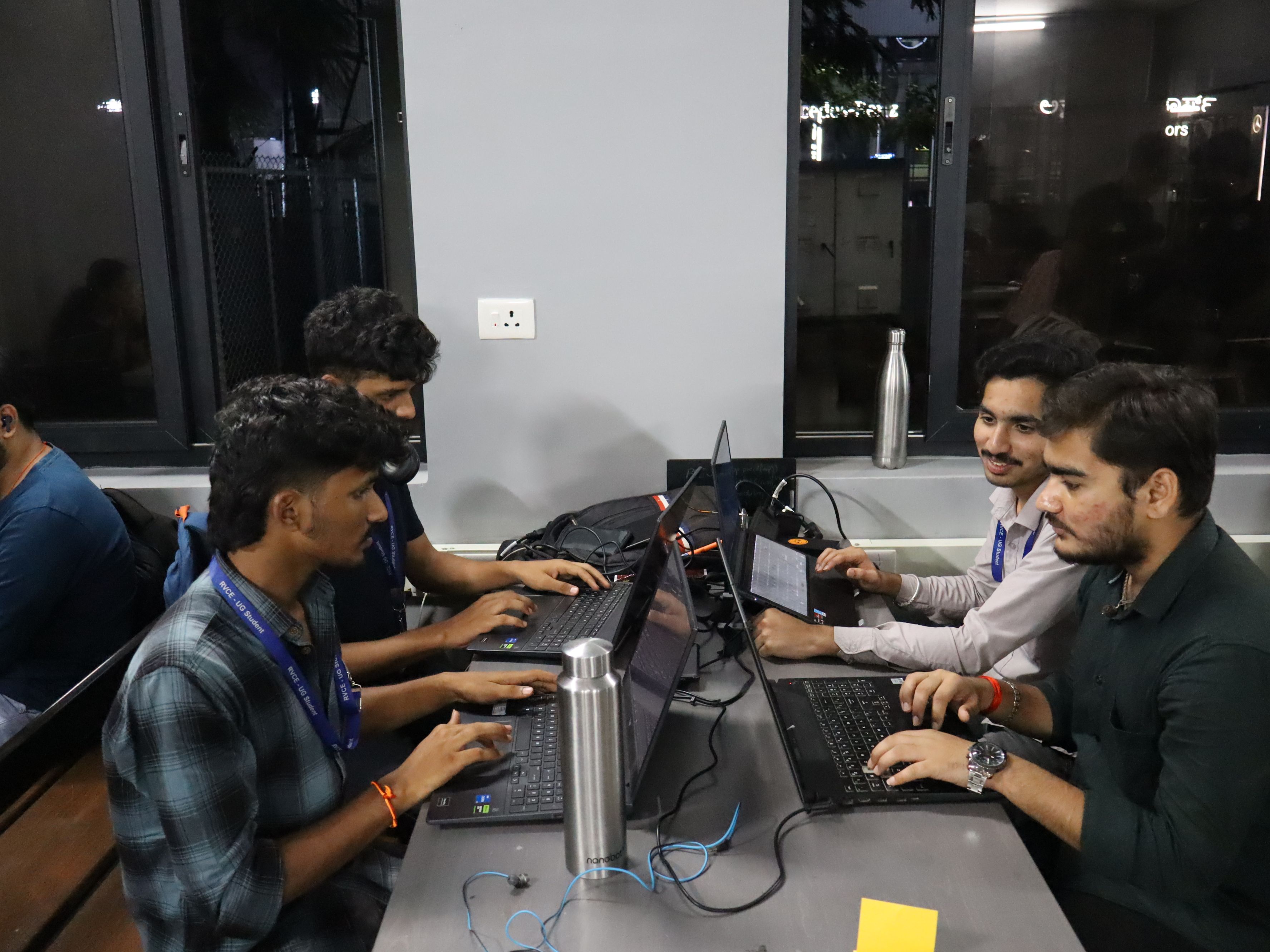
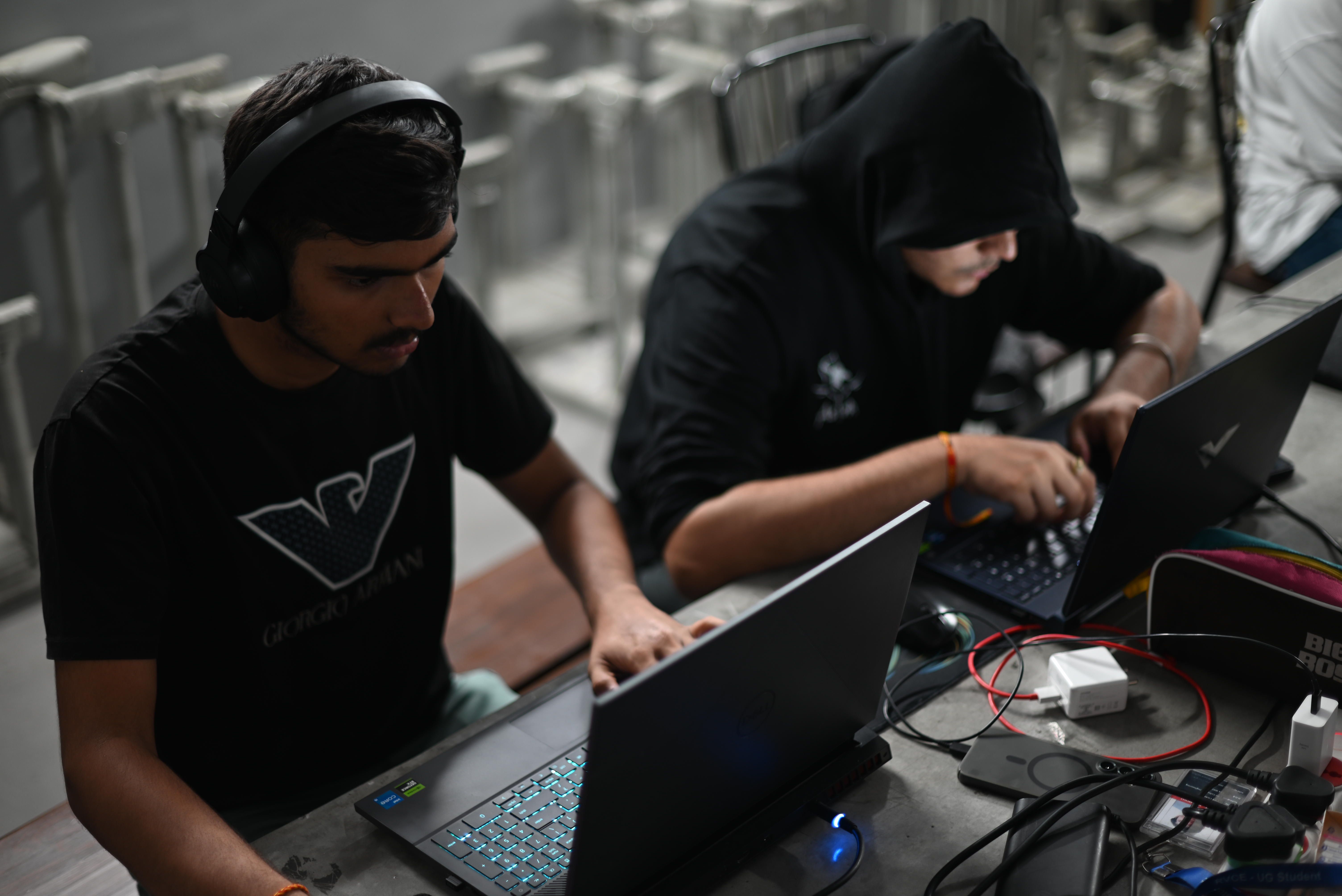
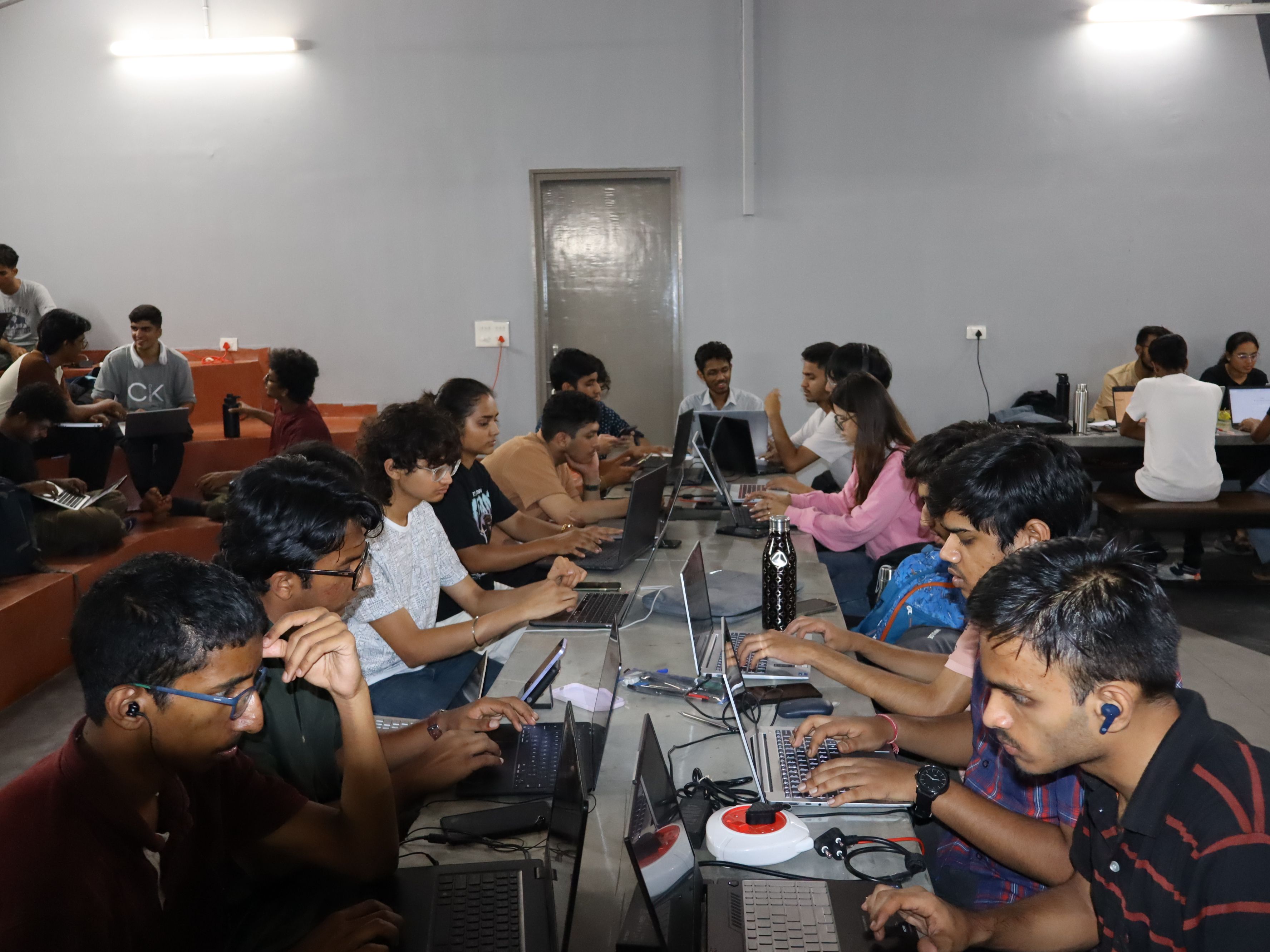
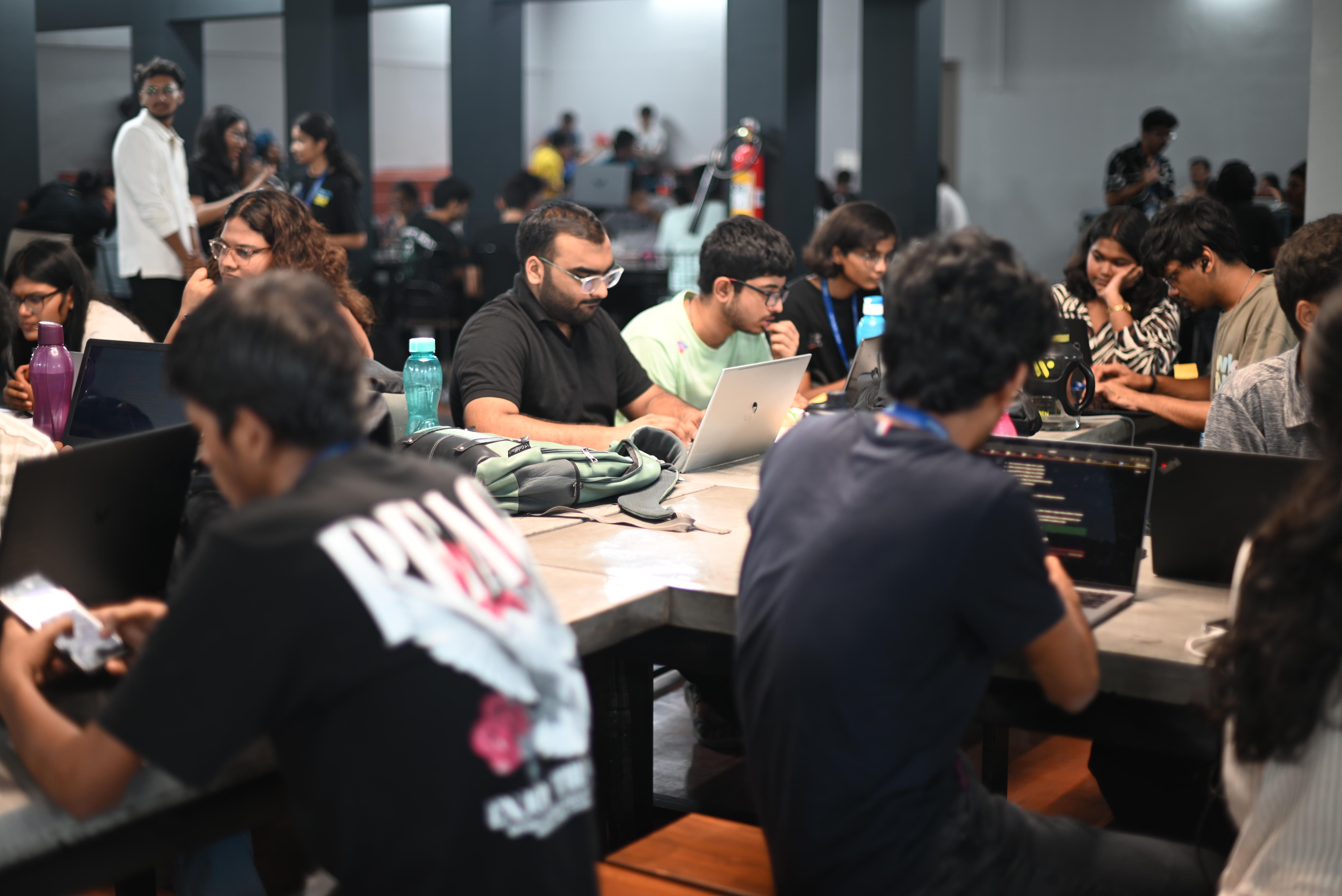
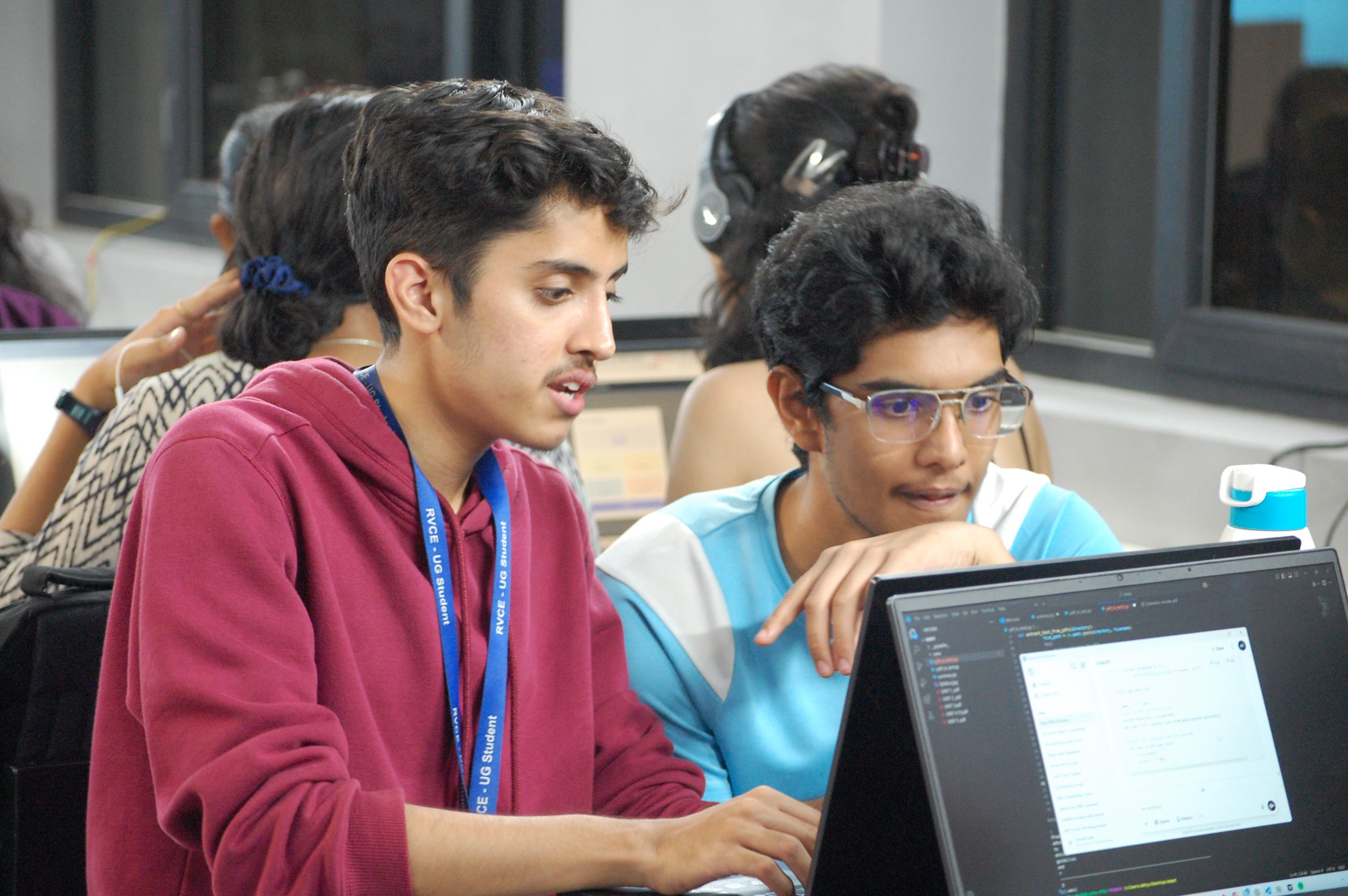
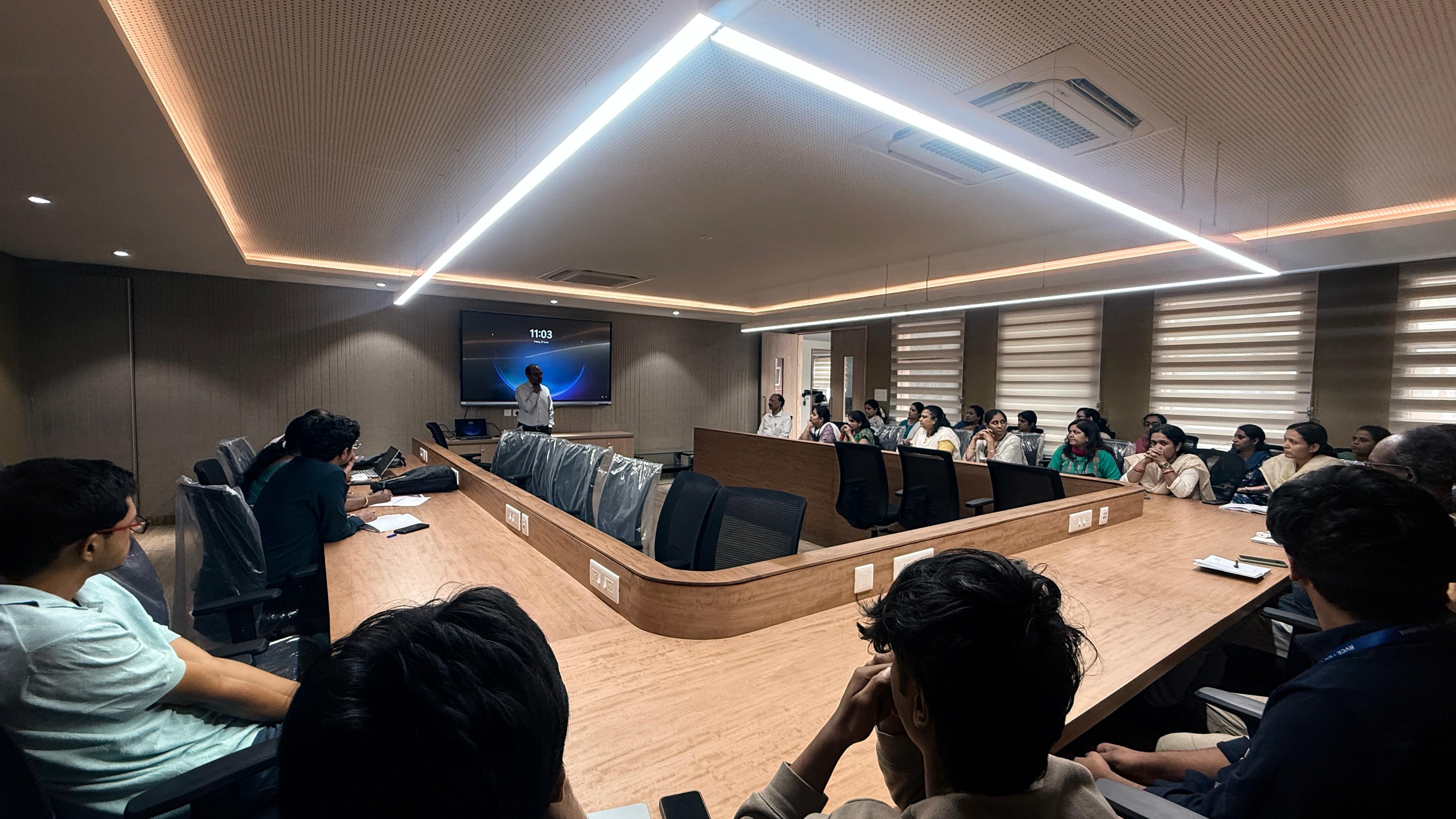
The hackathon phase brought together over 400 students, all working within a constrained timeframe to transform ideas into tangible solutions.
Participants:
- Collaborated in teams to tackle diverse, real-world challenges
- Developed prototypes under time pressure
- Iterated rapidly based on feedback and evolving ideas
The environment fostered not only technical excellence but also teamwork, adaptability, and resilience — qualities essential for innovation at scale.
Mentorship and Strategic Guidance
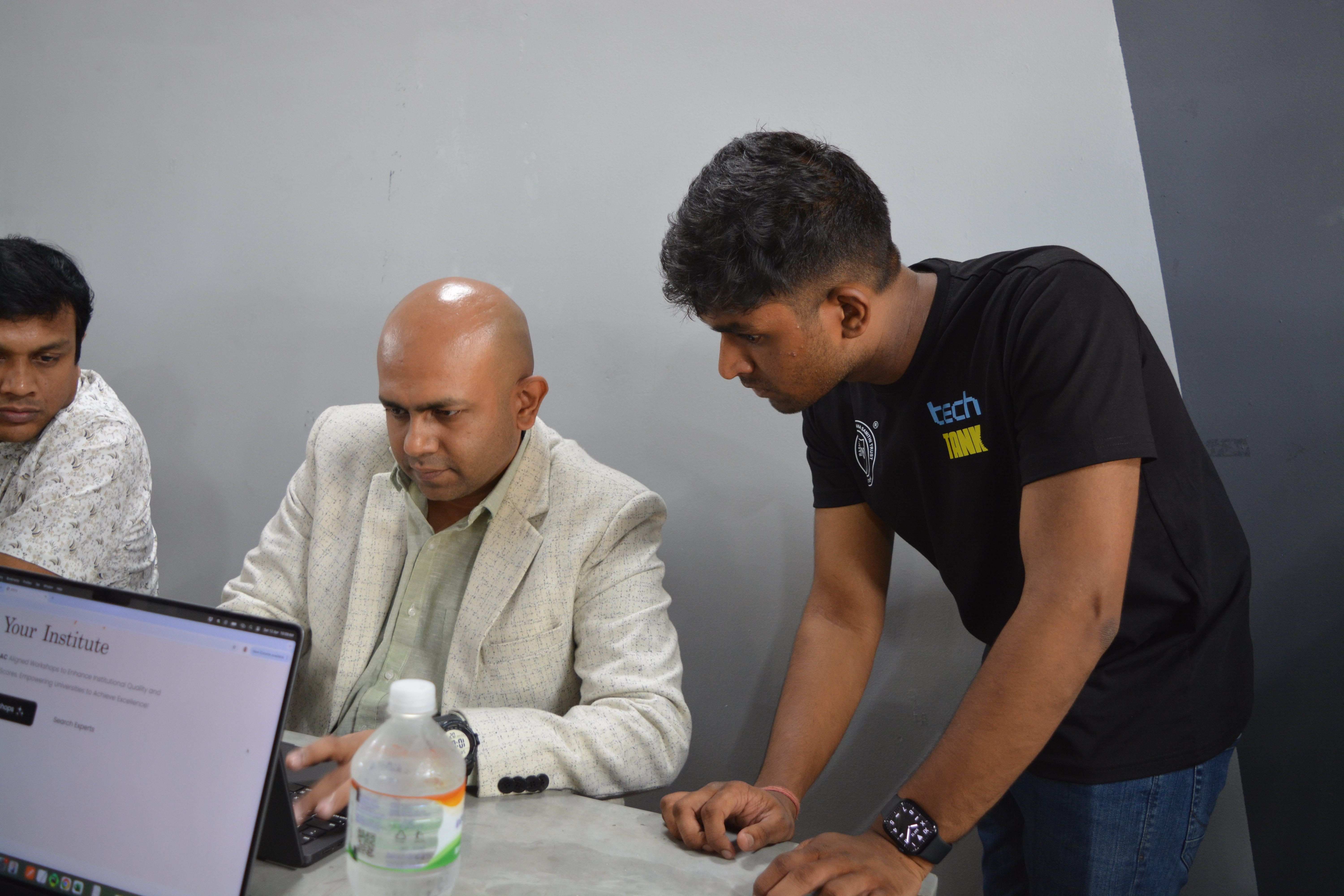
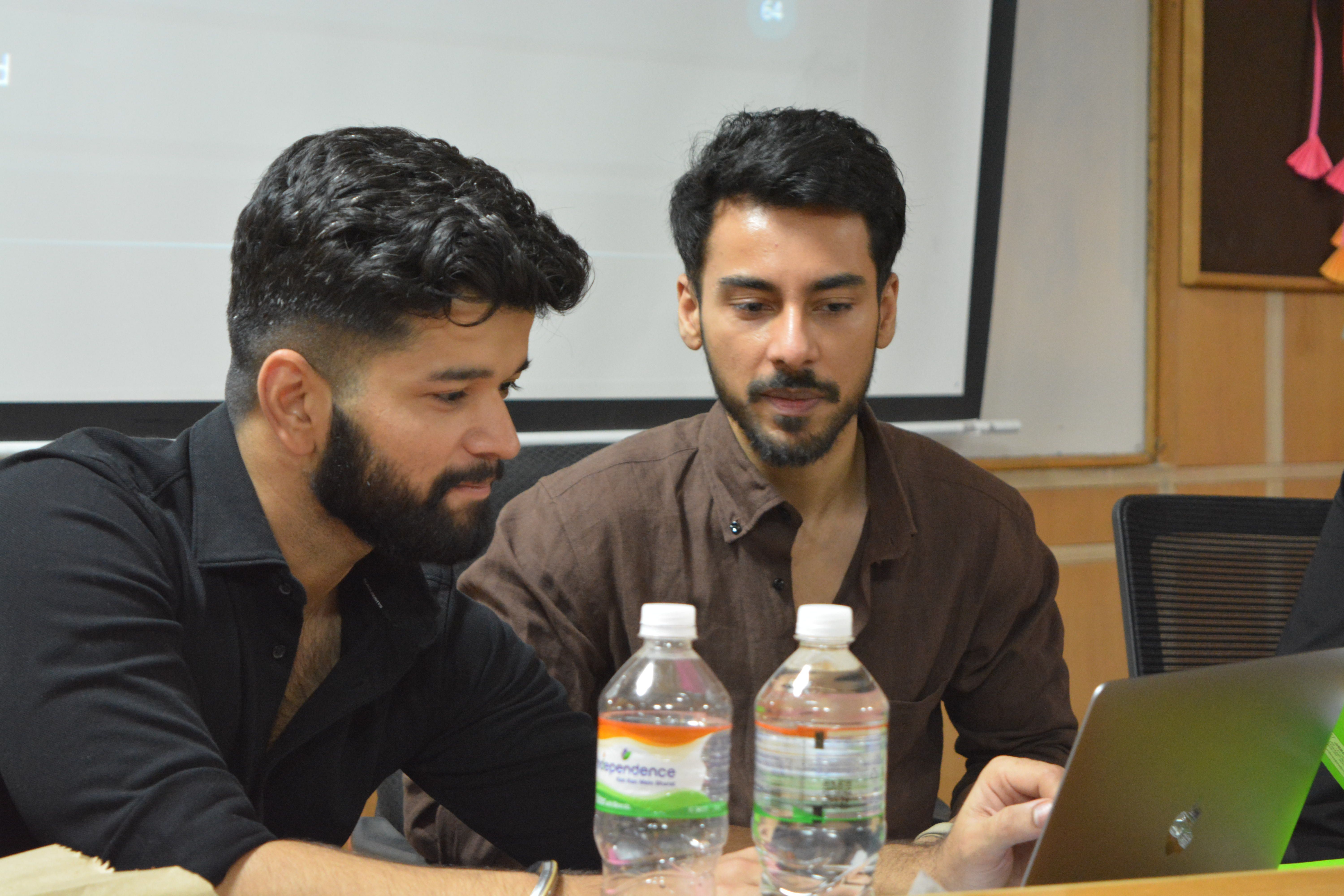
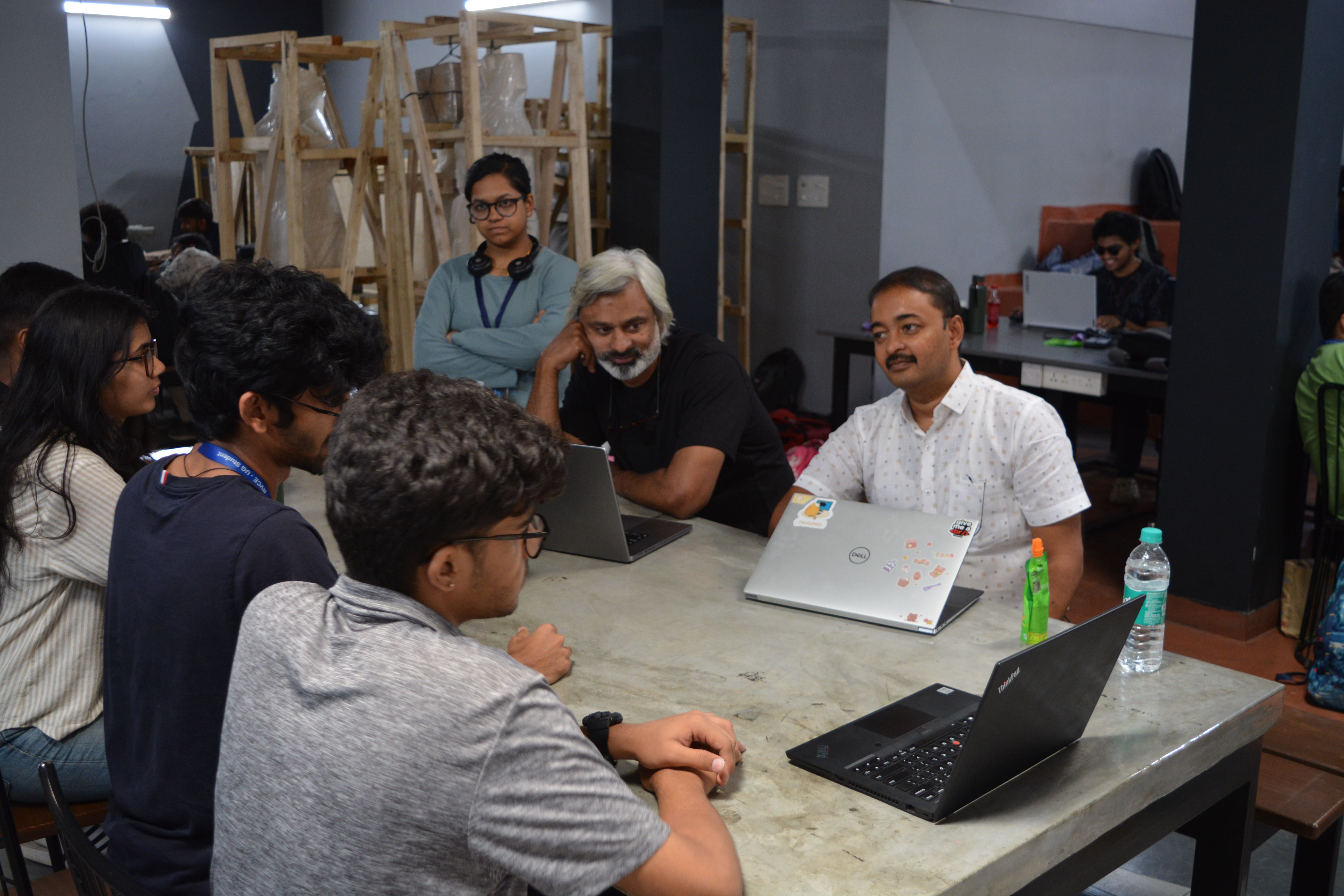
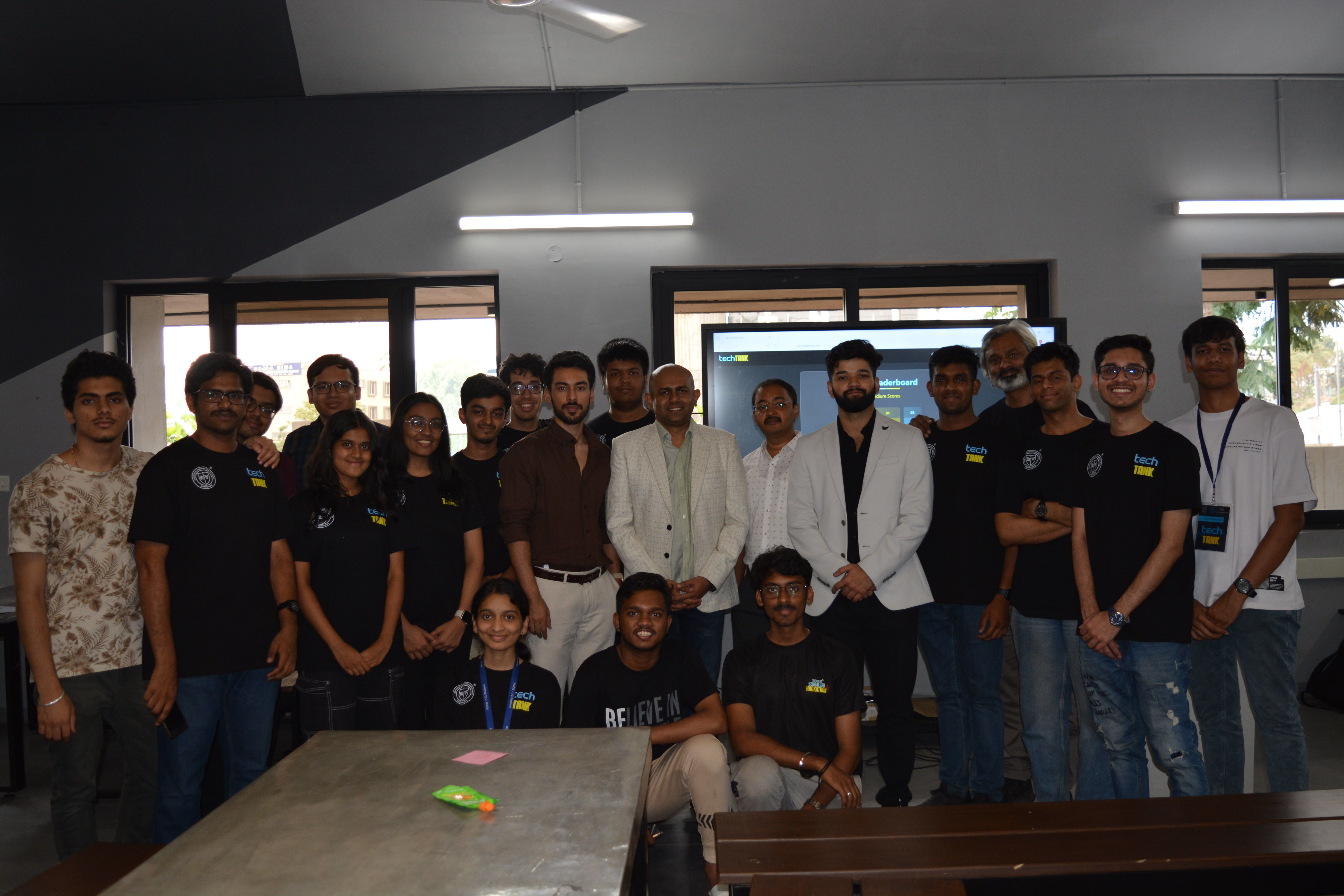
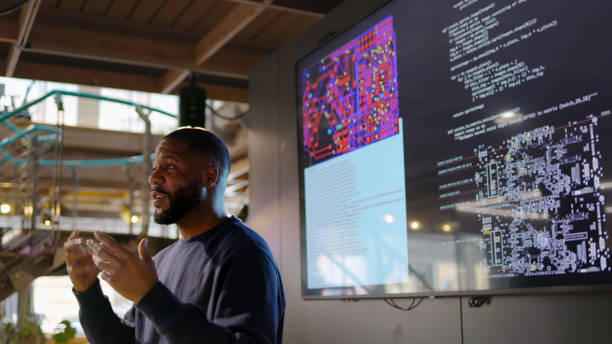
A defining strength of TechTank 2025 was its mentorship-driven approach. Throughout the event, participants received continuous guidance from experienced mentors across domains.
Mentors played a critical role in:
- Refining problem statements and solution approaches
- Addressing technical and architectural challenges
- Enhancing the clarity and impact of final pitches
This ensured that projects were not only technically sound but also aligned with real-world applicability and scalability.
The Pitch Stage: Ideas Meet Impact
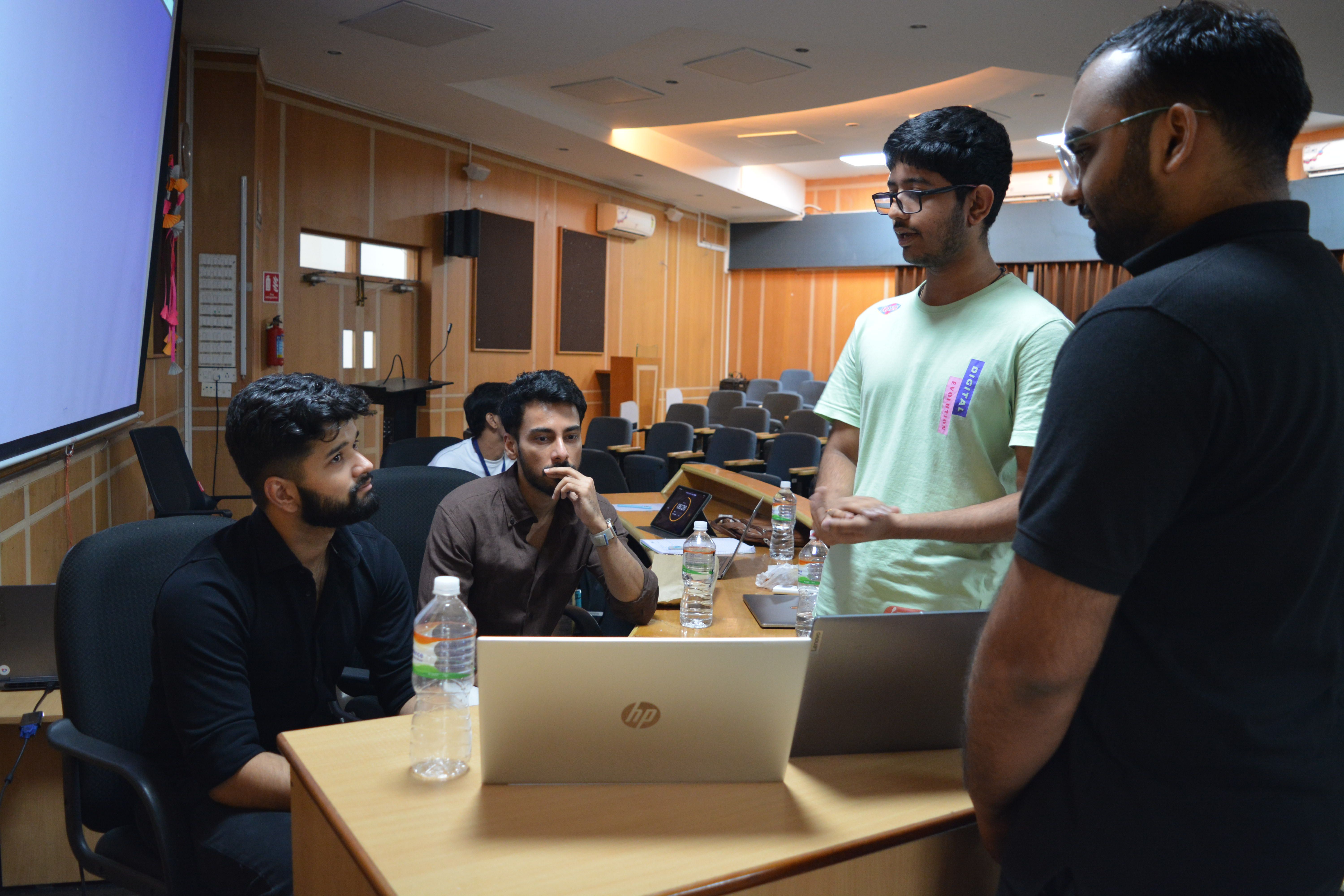
The culmination of TechTank 2025 was its pitch phase — where teams stepped into the role of founders, presenting their solutions to evaluators.
Projects were assessed on:
- Innovation and originality
- Technical depth and execution
- Feasibility and scalability
- Clarity of presentation and vision
This stage elevated the event beyond a conventional hackathon, reinforcing the importance of communication, storytelling, and strategic thinking in bringing ideas to life.
Collaboration and Ecosystem
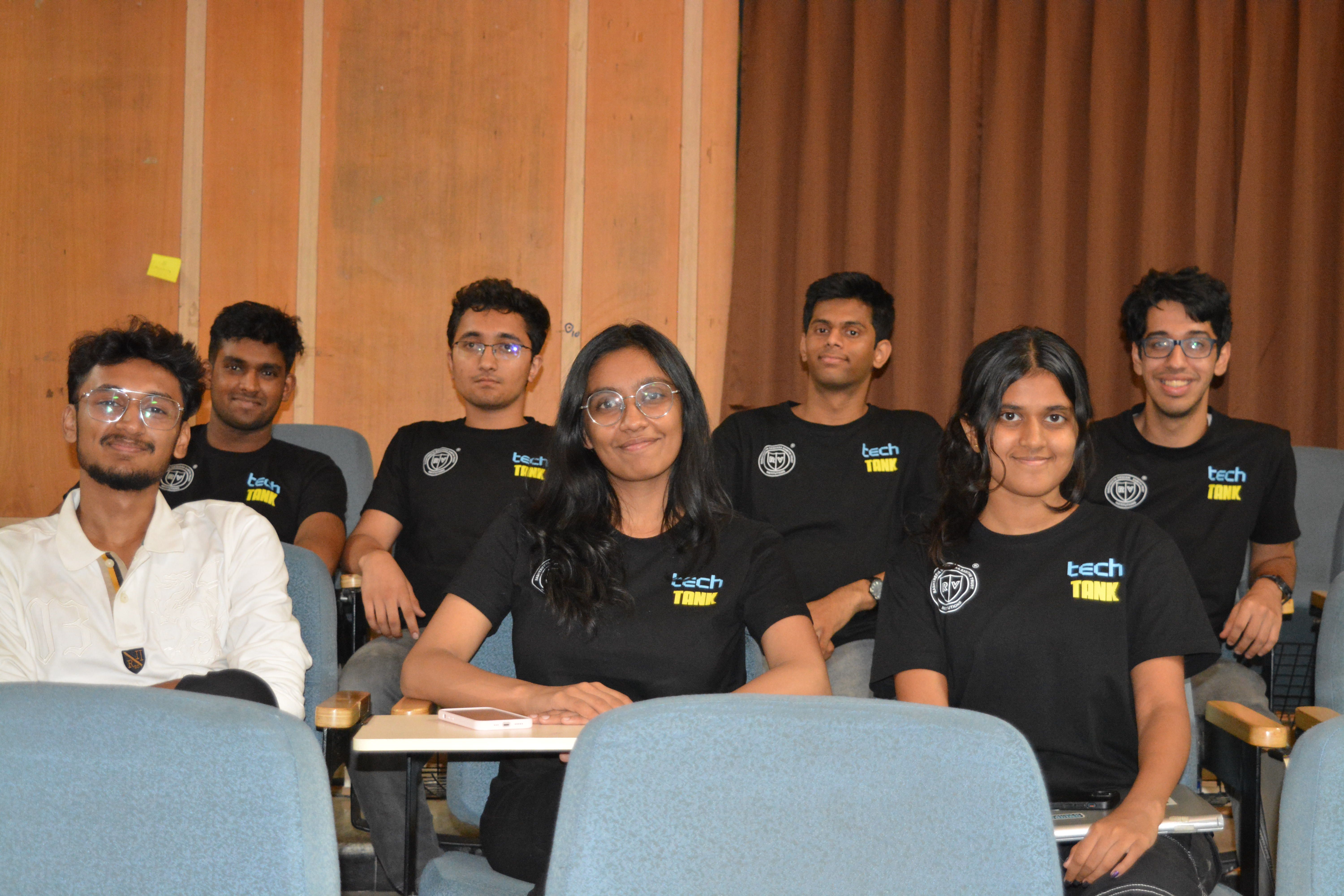
TechTank 2025 exemplified the power of collaboration between communities. By bringing together ACM RVCE’s strong foundation in technical excellence and GDG RVCE’s developer-driven ecosystem, the event created a platform that was both academically enriching and industry-relevant.
This synergy enabled participants to experience a well-rounded innovation cycle — from ideation to execution to presentation.
Participation and Impact
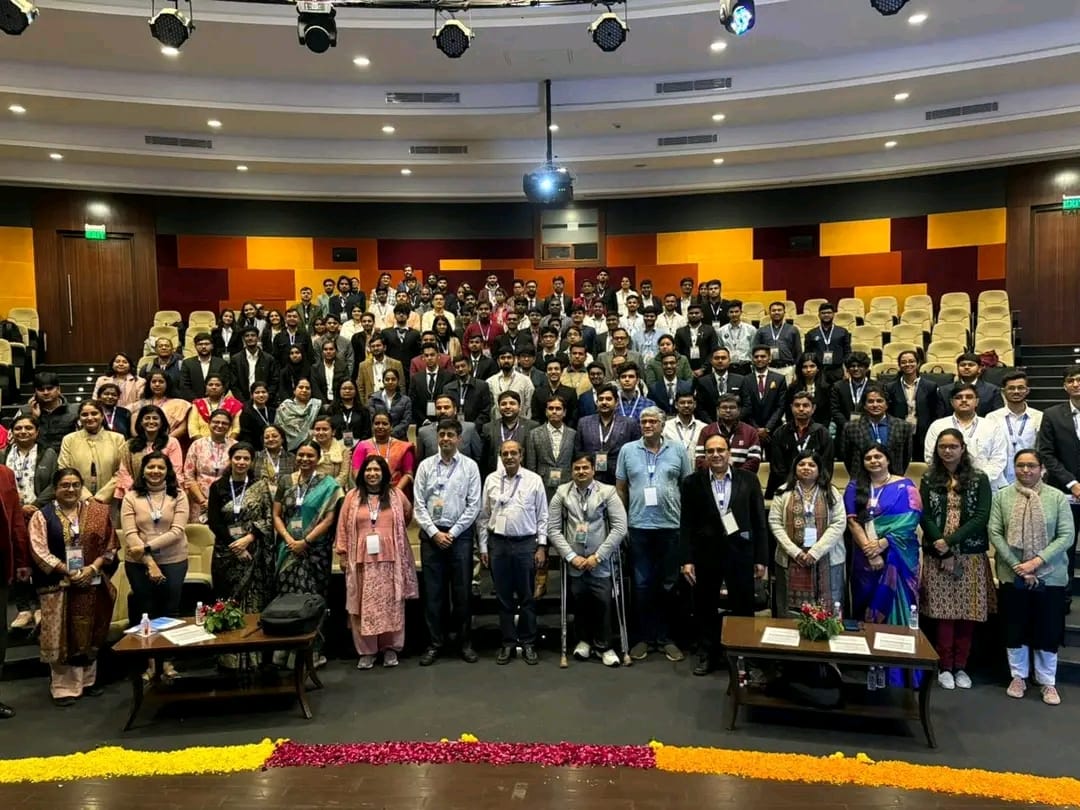
With participation exceeding 400 students, TechTank 2025 witnessed an impressive display of creativity, technical skill, and entrepreneurial mindset. The diversity of ideas and the quality of execution reflected the growing inclination of students toward building solutions that are not only innovative but also impactful.
More importantly, the event succeeded in shifting perspectives — encouraging participants to think beyond code and towards building products that solve real problems.
Conclusion
TechTank 2025 concluded as a landmark event in the ACM RVCE calendar, setting a new benchmark for hackathons within the institution. By seamlessly integrating technology, innovation, and entrepreneurship, the event provided participants with an experience that mirrors real-world product development and startup culture.
As the lines between engineering and entrepreneurship continue to blur, initiatives like TechTank reaffirm ACM RVCE’s commitment to nurturing not just skilled developers, but future innovators, founders, and leaders.
In essence, TechTank 2025 was not just about building solutions — it was about building the mindset to shape the future.